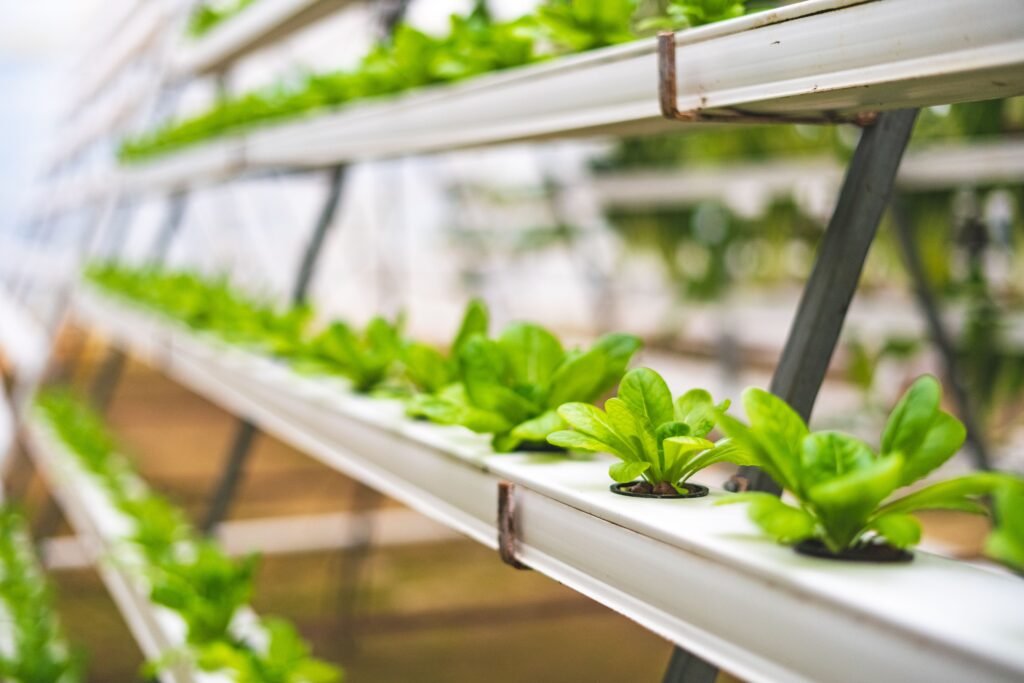
Imagine growing fresh vegetables without depending on traditional soil. That is the basic idea behind hydroponics – a method of growing plants where essential nutrients are delivered through water instead of relying on soil as the primary growing medium.
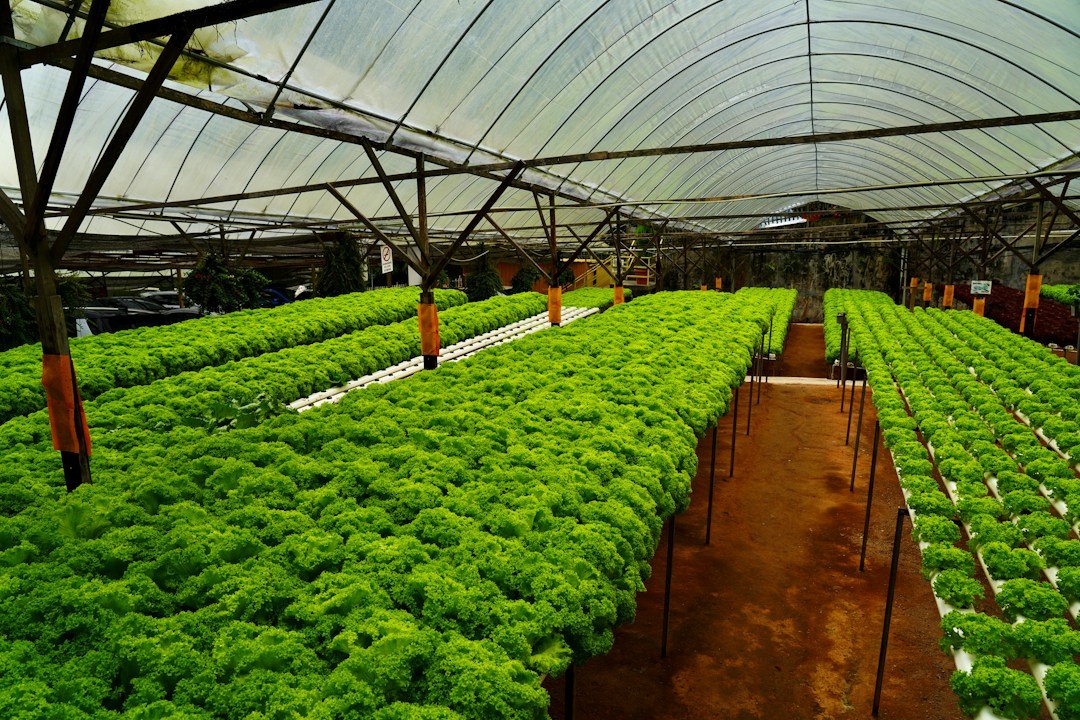
Hydroponics is used in homes, terraces, greenhouses, commercial farms and controlled growing environments. With the right system and proper management, it can provide an efficient way to grow selected crops in spaces where conventional cultivation may not be practical.
What Is Hydroponics?
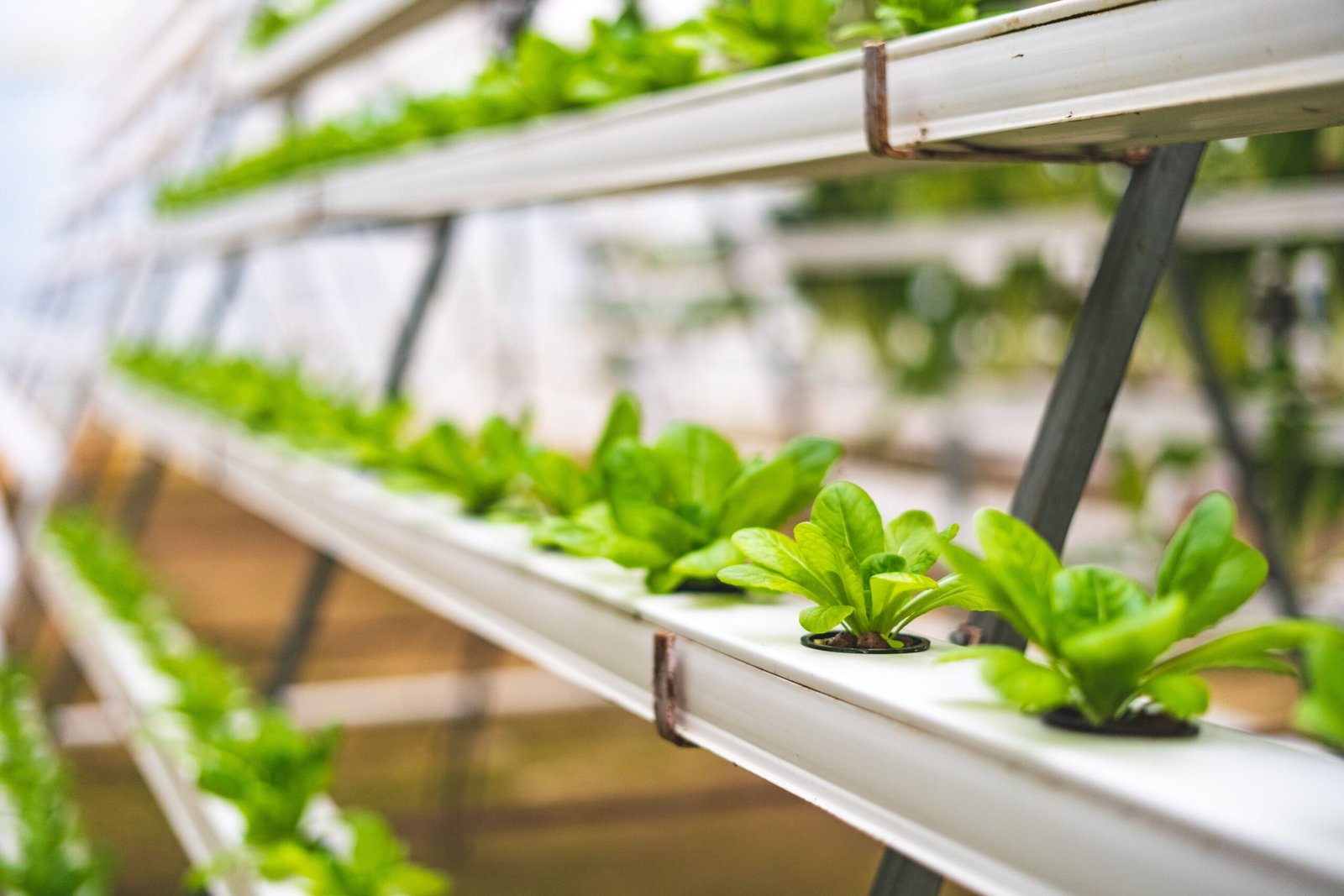
Hydroponics is a method of growing plants without traditional soil as the primary growing medium. Instead, plants receive essential nutrients through a carefully prepared water-based nutrient solution. Depending on the system, roots may be directly exposed to the nutrient solution or supported using a suitable growing medium.
A successful hydroponic system manages factors such as water, nutrients, oxygen around the roots, pH, electrical conductivity (EC), light, temperature and humidity.
How Does Hydroponics Work?
A basic hydroponic system has a water reservoir, nutrient solution, delivery system, plant roots and a return or drain system. The exact arrangement depends on the type of hydroponic system.
In an NFT (Nutrient Film Technique) system, nutrient solution flows through growing channels, allowing plant roots to access water and nutrients while also receiving oxygen.
Why Choose Hydroponics?
Efficient use of space
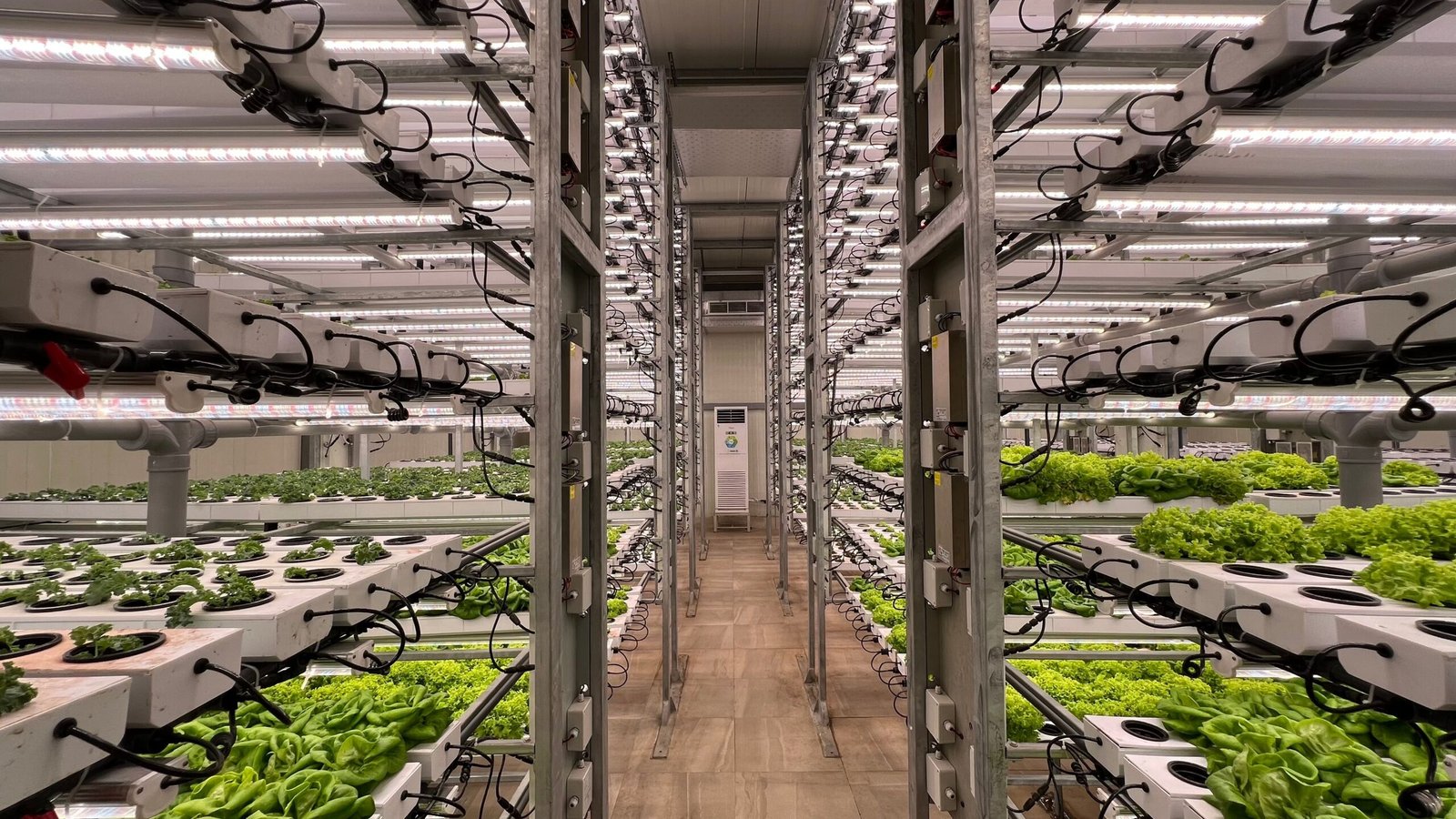
Hydroponic systems can be designed to make effective use of limited spaces. Vertical systems can increase growing capacity without requiring a large floor area.
Controlled nutrient delivery
Nutrients are supplied through the water solution, allowing growers to monitor and manage nutrient concentration more directly.
Water recirculation
Many hydroponic systems recirculate water. Actual water savings depend on the system design, crop, climate and management practices.
Flexible system design
A system can be designed according to available space, crop selection, desired capacity and operating requirements.
What Can You Grow Using Hydroponics?
Many crops can be grown hydroponically, although suitability depends on the system, environment and management.
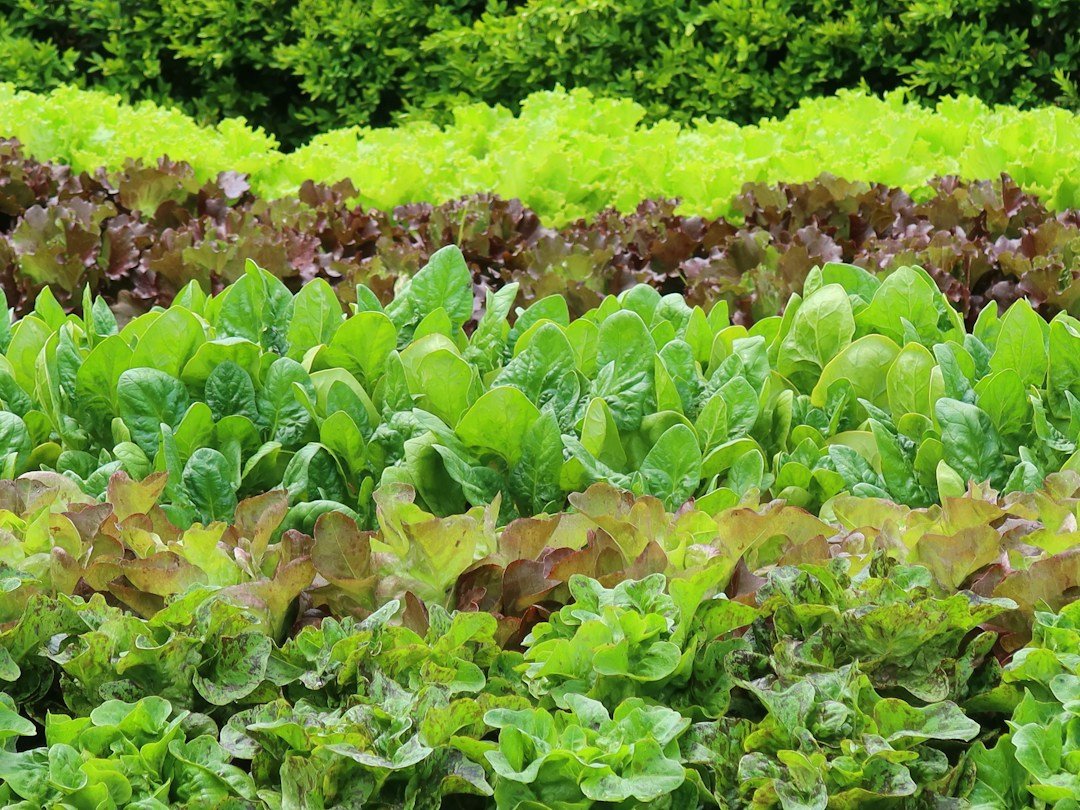
- Leafy greens: lettuce, spinach, kale and amaranth
- Herbs: basil, mint and coriander
- Fruiting crops: tomato, cucumber, capsicum and strawberry with appropriate system design
Types of Hydroponic Systems
NFT – Nutrient Film Technique
NFT systems circulate a shallow flow of nutrient solution through growing channels and are commonly used for leafy greens and herbs.
DWC – Deep Water Culture
In Deep Water Culture, plant roots are suspended in nutrient-rich water while oxygen is supplied to the root zone.
Vertical Hydroponic Systems
Vertical systems arrange growing sites vertically to make better use of available floor space.
Drip Hydroponic Systems
Drip systems deliver nutrient solution to individual plants through a controlled irrigation system and can be adapted for different crops and growing scales.
Is Hydroponics Suitable for Beginners?
Yes, beginners can learn hydroponics, but successful growing requires proper management. Important fundamentals include nutrient mixing, pH management, EC or TDS monitoring, water management, root health, pump operation, crop maintenance and system hygiene.
How Much Space Do You Need?
There is no universal space requirement. A small system can be designed for a suitable balcony or terrace, while larger systems may require dedicated growing areas. Space requirements depend on system type, number of plants, crop selection, plant spacing and access for maintenance.
How Much Does a Hydroponic System Cost?
Hydroponic system costs vary significantly. System type, plant capacity, materials, automation, growing environment, pumps, plumbing, installation and maintenance requirements all influence the investment.
A home terrace system and a commercial installation can have very different requirements, so a project-specific assessment is more useful than a single generic price.
Common Hydroponic Mistakes Beginners Should Avoid
- Choosing a system without considering the crop and available space
- Ignoring pH and EC
- Overfeeding plants
- Poor reservoir and system hygiene
- Ignoring temperature, humidity, light and ventilation
- Starting with a system that is too large to manage comfortably
Hydroponics vs Traditional Soil Growing
Hydroponics and soil-based cultivation are different approaches. Hydroponics offers greater control over the nutrient solution and can make effective use of certain spaces, while soil cultivation remains practical across many agricultural environments. The appropriate approach depends on crop, climate, available space, water, investment and production goals.
How Aqua Greens Can Help
At Aqua Greens, we focus on practical hydroponic solutions designed around the requirements of the growing space and intended use.
- Hydroponic system planning
- Custom system design
- Home and terrace systems
- Vertical hydroponic systems
- NFT systems
- Commercial hydroponic setups
- Installation support
- Maintenance guidance
- Hydroponic training
Whether you are exploring hydroponics for your home or planning a larger growing project, the first step is understanding your space, crops and requirements.
Ready to explore hydroponics?
Frequently Asked Questions
What is hydroponics in simple terms?
Hydroponics is a method of growing plants without traditional soil as the primary growing medium. Plants receive essential nutrients through a water-based nutrient solution.
Can hydroponics be done at home?
Yes. Suitable systems can be designed for homes, balconies and terraces depending on available space and environmental conditions.
Which plants grow best in hydroponics?
Leafy greens and herbs are commonly suited to several hydroponic systems. Some fruiting crops can also be grown with appropriate system design and environmental conditions.
Do hydroponic plants need nutrients?
Yes. Plants require essential nutrients, which are supplied through the nutrient solution in hydroponic systems.
Conclusion
Hydroponics is more than simply growing plants in water. It is a controlled growing method that combines plant science, water management, nutrient management and system design.
If you are considering a hydroponic setup, start with your available space, the crops you want to grow and the level of management you can commit to. From there, the right system can be selected and designed around your requirements.
What’s Next?
How Does Hydroponic Farming Work? A Complete Guide
Understand how a hydroponic system actually works — from the nutrient reservoir and pumps to the plant roots, pH, EC and different system types.