Hydroponic farming can look complicated at first, but the basic idea is simple: plants receive water, nutrients, oxygen and the right growing conditions without relying on traditional soil. Instead of searching through soil for nutrients, plant roots receive a carefully managed growing solution through a hydroponic system.
In this guide, we will break down how hydroponic farming works, what happens inside a hydroponic system, how nutrient solution moves to the plants, and why factors such as pH, EC, oxygen and light matter.
What Is Hydroponic Farming?
Hydroponic farming is a method of growing plants without traditional soil. Depending on the system, roots may grow directly in a nutrient solution or in an inert growing medium while water and nutrients are supplied to the root zone.
The important point is that hydroponics is not simply about replacing soil with water. A working system has to provide plants with the conditions they need for healthy growth, including water, essential mineral nutrients, oxygen around the roots, suitable light and an appropriate environment.
If you are new to the subject, start with our What Is Hydroponics? A Complete Beginner’s Guide before continuing.
How Does a Hydroponic System Work?
Most hydroponic systems follow the same basic principle: prepare a nutrient solution, deliver it to the plant roots, provide enough oxygen and then manage the solution and growing environment.
1. Water is stored in a reservoir
A reservoir holds the water used by the system. Depending on the design, the nutrient solution may remain in the reservoir and be delivered to the plants by a pump, or the plant roots may sit directly in the solution.
2. Nutrients are added to the water
Plants still need mineral nutrients such as nitrogen, phosphorus, potassium, calcium and magnesium along with smaller quantities of micronutrients. In hydroponics, these nutrients are supplied through the nutrient solution rather than being released from soil.
The nutrient concentration should be appropriate for the crop and its growth stage. Nutrient recipes can also need adjustment based on the composition of the source water.
3. The nutrient solution reaches the root zone
A pump, gravity-fed arrangement or another delivery method moves the solution to the plants. The exact process depends on the hydroponic system.
In an NFT system, for example, a shallow flow of nutrient solution moves through growing channels while plant roots reach into the flowing solution. In deep-water systems, roots remain in nutrient solution while oxygen is supplied to the root zone.
4. Roots receive water, nutrients and oxygen
Roots need more than water and fertilizer. They also need access to oxygen for normal root respiration. System design therefore has to prevent the root zone from becoming poorly oxygenated.
5. Plants receive light and a suitable environment
Hydroponics does not remove the need for light, temperature control, airflow and other environmental requirements. The system supplies the root-zone conditions; the plant still needs an appropriate growing environment above the root zone.
6. The solution is monitored and managed
Growers monitor the nutrient solution and make adjustments when required. Two common measurements are pH and EC.
Why pH Matters in Hydroponics
pH affects how available nutrients are to plant roots. If the solution moves outside a suitable range for the crop, some nutrients may become less available even when those nutrients are present in the water.
For that reason, pH should be treated as a routine management parameter rather than a one-time setting. The appropriate target depends on the crop, system and nutrient program.
What Is EC in Hydroponics?
EC, or electrical conductivity, is commonly used as an indicator of the concentration of dissolved salts in a nutrient solution. It can help growers monitor changes in nutrient concentration and identify when the solution needs attention.
EC is not a direct measurement of every individual nutrient. It should be interpreted alongside crop stage, water quality, nutrient formulation and plant appearance. Penn State Extension notes that EC can be used to monitor nutrient solutions and help identify nutrient-related problems.
Think of hydroponics as a controlled root-zone system.
The hardware delivers water and nutrients; monitoring keeps the root environment within suitable conditions.
What Are the Main Types of Hydroponic Systems?
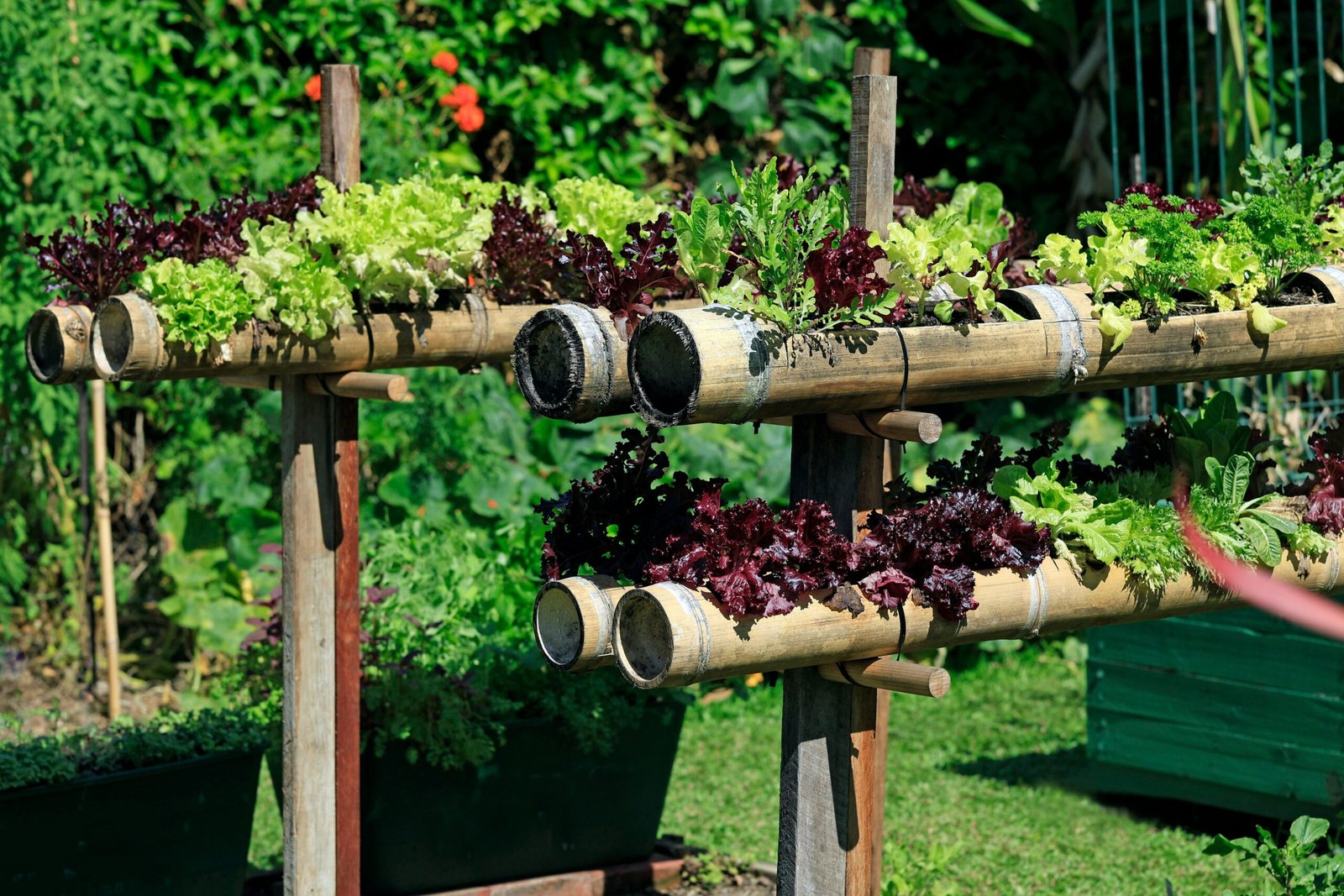
Different systems deliver water, nutrients and oxygen to roots in different ways. Four common approaches are:
- NFT (Nutrient Film Technique): A thin flow of nutrient solution moves through growing channels.
- DWC (Deep Water Culture): Plant roots remain in a nutrient solution while oxygen is supplied to the root zone.
- Drip systems: Nutrient solution is delivered to individual plants or growing media through emitters.
- Vertical hydroponics: Plants are arranged vertically to make use of vertical space, with nutrient solution distributed through the system.
Each system has different requirements for pumps, plumbing, support, oxygenation, maintenance and crop selection. There is no single hydroponic system that is ideal for every situation.
A Simple Example: How an NFT Hydroponic System Works
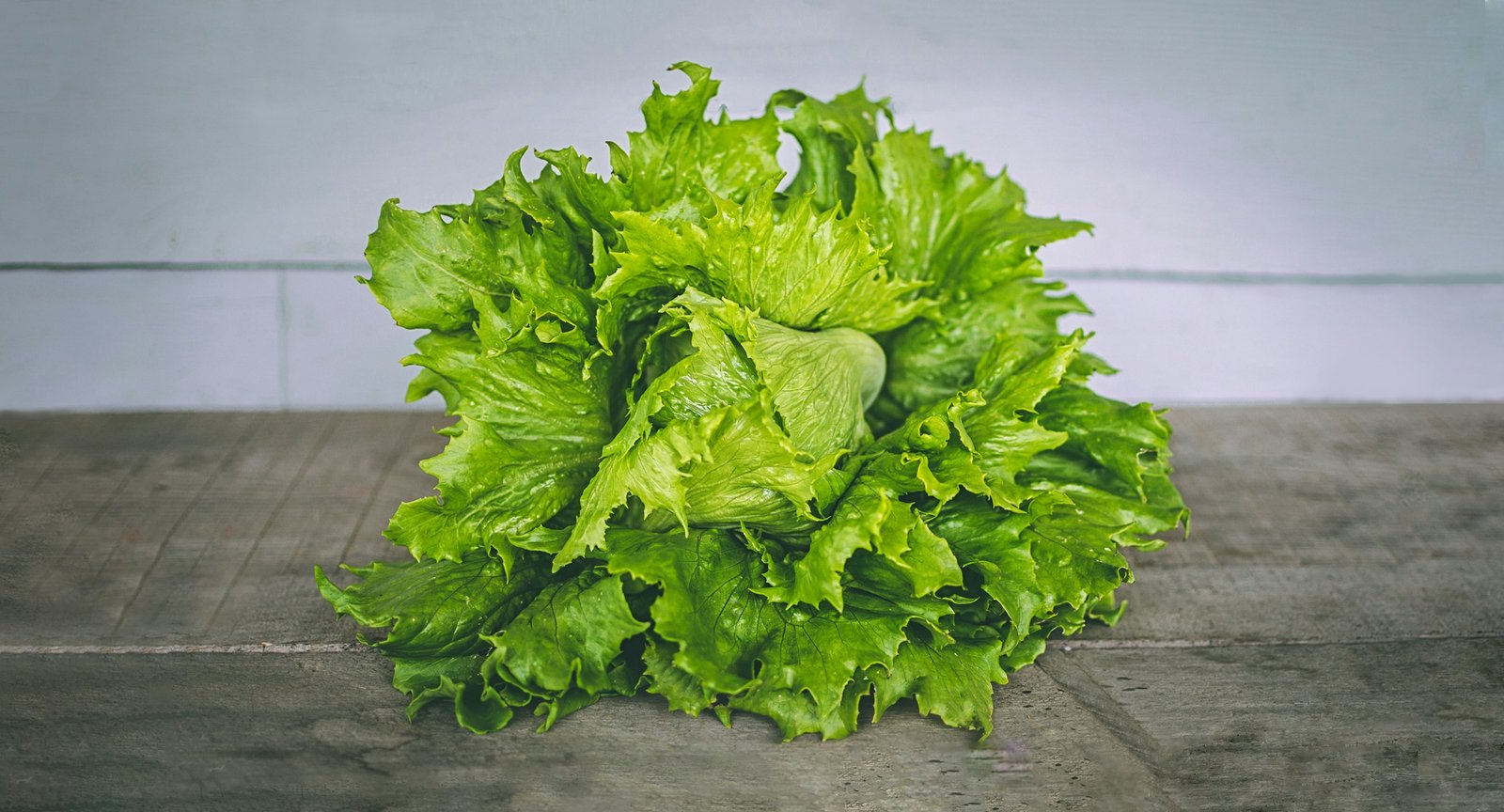
Imagine a row of lettuce plants growing in a horizontal channel.
- Water is collected in a reservoir.
- Hydroponic nutrients are mixed into the water according to the chosen nutrient program.
- A pump moves the solution from the reservoir to the upper end of the growing channel.
- The nutrient solution flows along the channel in a shallow stream.
- Plant roots contact the flowing solution and take up water and nutrients.
- The solution returns to the reservoir.
- The cycle repeats while the system is operating.
This recirculating design is one reason NFT is widely used for crops such as leafy greens, although system performance depends on correct design, crop management and environmental conditions.
What Do Plant Roots Need in Hydroponics?
A healthy hydroponic root zone needs a balance of several factors:
- Water
- Essential mineral nutrients
- Oxygen
- Suitable temperature
- Appropriate moisture conditions
- Clean and well-maintained equipment
Hydroponic systems can be less forgiving than soil-based systems because changes in the nutrient solution can affect plants relatively quickly. Regular monitoring is therefore important.
How Hydroponic Nutrients Work
Hydroponic nutrients are formulated to supply the mineral elements plants require. Depending on the nutrient program, growers may use complete fertilizers or combinations of individual fertilizer products.
The correct formulation depends on the crop, growth stage, water source and system. Nutrient calculations are normally based on the required concentration of individual nutrients, and professional nutrient programs may use water testing to account for minerals already present in the source water.
It is important not to assume that adding more fertilizer will automatically produce better growth. Excess soluble salts can damage plants, so concentration and water quality need to be managed carefully.
What Makes a Hydroponic System Work Well?
A reliable hydroponic setup is a combination of hardware and crop management. The reservoir, pump, channels, pipes, growing supports and nutrient program all need to work together.
Good management also means checking for blocked lines, pump problems, leaks, poor root oxygenation, unsuitable nutrient concentration and environmental stress before they become major crop problems.
Common Beginner Mistakes
- Choosing a system without considering the crop and available space.
- Adding nutrients without considering the source water.
- Ignoring pH and EC monitoring.
- Overfeeding plants because higher nutrient concentration seems better.
- Neglecting oxygen around the roots.
- Failing to inspect pumps, pipes and channels regularly.
- Ignoring temperature, airflow and light conditions.
- Changing several variables at the same time, making it difficult to identify the cause of a problem.
Is Hydroponic Farming Difficult to Learn?
The basic concept is straightforward, but good hydroponic farming requires observation and consistent management. Beginners can start with a small system, learn how water and nutrients move through it, and gradually become comfortable with pH, EC, crop requirements and maintenance.
The best system for you depends on whether you want a home setup, terrace garden, small commercial unit or larger production system. The design should be based on available space, crop selection, water quality, budget and the level of management you can provide.
Frequently Asked Questions
Does hydroponic farming use soil?
Traditional hydroponics does not rely on soil for nutrient supply. Some systems use inert growing media to support plants, but nutrients are supplied through the hydroponic solution.
Do hydroponic plants need fertilizer?
Yes. Plants still require essential mineral nutrients. In hydroponics, these are supplied through a nutrient solution rather than being obtained from soil.
What is the role of a pump in hydroponics?
In many systems, a pump moves nutrient solution from a reservoir to the growing area. The exact role depends on the system design.
Is pH important in hydroponic farming?
Yes. pH affects nutrient availability, so monitoring and maintaining a suitable range for the crop is an important part of hydroponic management.
What should beginners grow in hydroponics?
Leafy greens and herbs are commonly considered suitable starting crops because they can work well with systems designed for relatively compact plants. Crop suitability still depends on the system and growing conditions.
Start Hydroponics with Aqua Greens
Understanding the basic process is the first step. The next step is choosing a system that matches your space, crop and goals.
Aqua Greens helps with hydroponic system planning, setup and practical guidance for home and commercial growing projects. If you are considering hydroponics and want to understand which system may suit your requirements, get in touch with Aqua Greens.
What’s Next?
Types of Hydroponic Systems: A Complete Guide
Explore NFT, DWC, drip, vertical and other hydroponic systems, how they work, and how to understand which system fits different growing requirements.
Next guide coming soon.