
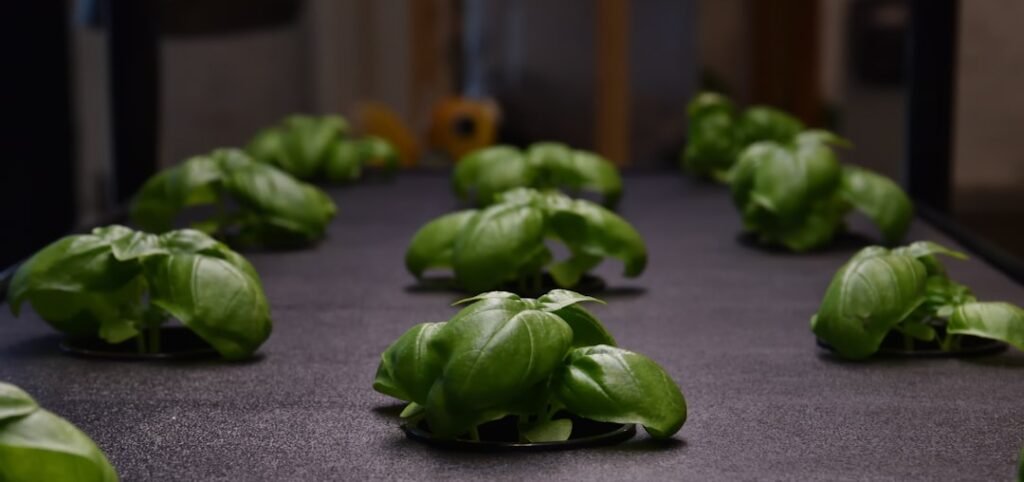
One of the biggest advantages of hydroponics is that you do not necessarily need a large piece of land to start growing. A hydroponic system can be designed for a balcony, terrace, rooftop, greenhouse, indoor growing area or commercial farm. The space you need depends on the crop, system type, number of plants, access requirements and how much production you want.
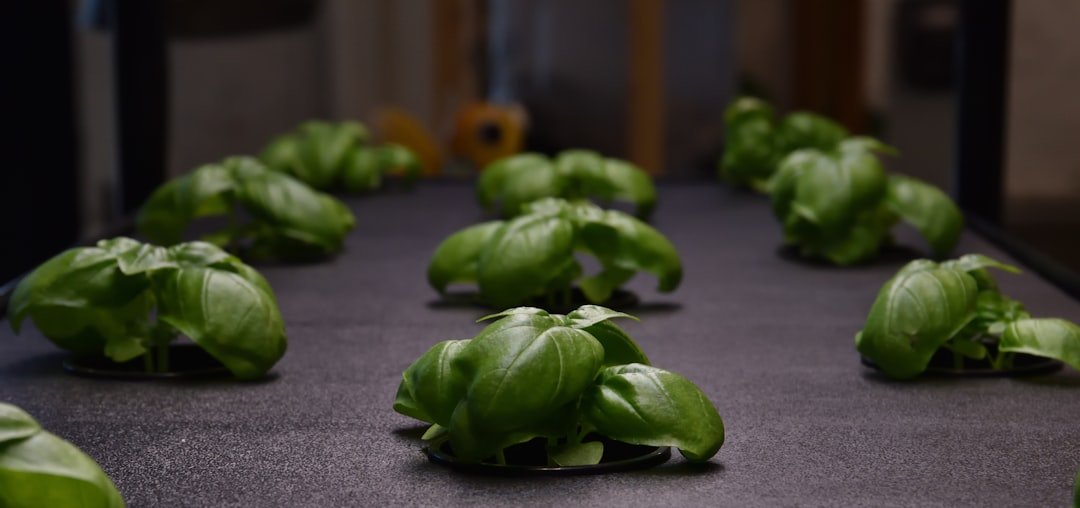
How Much Space Do You Need to Start?
For a beginner setup, even a small area can be enough to learn the basics. A compact system may occupy only a few square metres, while a larger home garden can use a significant part of a terrace or balcony.
The important point is not simply the floor area. You also need enough room to reach the plants, inspect the reservoir, clean equipment and move safely around the system.
Space Requirements by Growing Setup
| Setup | Typical use | Space considerations |
|---|---|---|
| Small home system | Learning and household greens | Compact footprint with easy access |
| Balcony or terrace system | Leafy greens and herbs | Use vertical or compact layouts where suitable |
| Greenhouse system | Regular crop production | Allow space for rows, pathways and service access |
| Commercial farm | Continuous production | Plan growing, work, storage and utility areas together |
Why Vertical Hydroponics Can Save Floor Space
Vertical systems grow plants across multiple levels rather than using only one horizontal growing surface. This can increase the number of planting positions available within a given floor footprint.
However, vertical does not automatically mean better. Light availability, crop height, irrigation, maintenance access and structural support all need to be considered before choosing a vertical layout.
How Much Space Does One Plant Need?
There is no single space requirement for every hydroponic crop. Lettuce, spinach and other leafy greens can generally be arranged more densely than crops that develop large canopies or require support.
Plant spacing should therefore be based on the mature size of the crop, airflow, light distribution, root-zone requirements and the growing system being used.
Space Planning for a Home Hydroponic Garden
- Growing area: reserve the main space for channels, containers or towers.
- Access path: leave enough room to inspect and harvest plants.
- Reservoir area: keep nutrient tanks and pumps accessible for maintenance.
- Water and power: plan safe access to water and electrical connections.
- Drainage: make sure accidental spills or system drainage can be managed safely.
- Light: consider sunlight, shade and seasonal changes before placing the system.
Planning Space for a Commercial Hydroponic Farm
Commercial planning requires more than calculating the growing area. A practical layout may need propagation space, production zones, walkways, nutrient preparation, water storage, equipment access, harvesting and packing areas, and utility infrastructure.
The final layout should also account for expansion. Designing every available square metre as growing space can make maintenance and future changes difficult.
Does More Space Mean More Production?
Not necessarily. Production depends on plant density, crop cycle, environmental conditions, system efficiency and management. A well-planned smaller system can be easier to operate than a crowded installation with poor access.
Common Space-Planning Mistakes
- Focusing only on planting area and ignoring pathways.
- Installing equipment where the reservoir or pump cannot be serviced easily.
- Overcrowding plants to maximise the number of planting positions.
- Ignoring sunlight, shade or ventilation.
- Choosing a vertical system without checking structural and maintenance requirements.
- Leaving no room for future expansion.
What Size Hydroponic System Is Right for You?
Start with your goal rather than a fixed system size. If your objective is to learn, a small setup may be sufficient. If you want regular household production, a larger terrace or balcony installation may make sense. Commercial growers need a layout based on target production, crop cycles, infrastructure and operating workflow.
Aqua Greens can help you evaluate available space and plan a hydroponic setup around your growing requirements.
FAQs
Can I grow hydroponically on a balcony?
Yes. Suitable balcony systems can be designed for compact crops, provided the location has appropriate light, water access, drainage and sufficient structural capacity.
Can I grow hydroponics on a terrace?
Yes. Terraces can provide useful space for hydroponic systems, but water load, structural capacity, drainage, sunlight and safe electrical installation should be considered.
Is vertical hydroponics better for small spaces?
It can provide more planting positions within a smaller floor footprint, but its suitability depends on crop choice, light, access and system design.
What’s Next?
How Much Does a Hydroponic System Cost in India?
Explore the major cost components of hydroponic systems, from growing channels and reservoirs to pumps, nutrients, infrastructure and installation.
Next guide coming soon.