The cost of a hydroponic system in India can range from a small home setup costing a few thousand rupees to a commercial installation requiring several lakhs or more. There is no single price because the final budget depends on the hydroponic system, number of plants, growing area, materials, automation, water treatment and infrastructure.
What Determines the Cost of a Hydroponic System?
The main cost drivers are the growing channels or containers, reservoir, pumps, plumbing, nutrients, monitoring equipment, growing media, structure and installation. A simple system can omit many advanced components, while a commercial farm may require protected cultivation, filtration, automation and backup systems.
Typical Cost Ranges in India
| Setup | Indicative starting range | Typical use |
|---|---|---|
| Small DIY / hobby setup | ₹2,000–₹10,000+ | Learning and a few plants |
| Small home NFT/DWC setup | ₹10,000–₹50,000+ | Leafy greens and herbs |
| Small commercial setup | ₹1 lakh–₹3 lakh+ | Regular production |
| Larger commercial farm | Several lakhs to ₹50 lakh+ | Protected or controlled production |
These are planning ranges rather than fixed market prices. Vendor specifications, location, crop choice and automation can change the final quotation substantially.
1. Growing Channels or Grow Containers
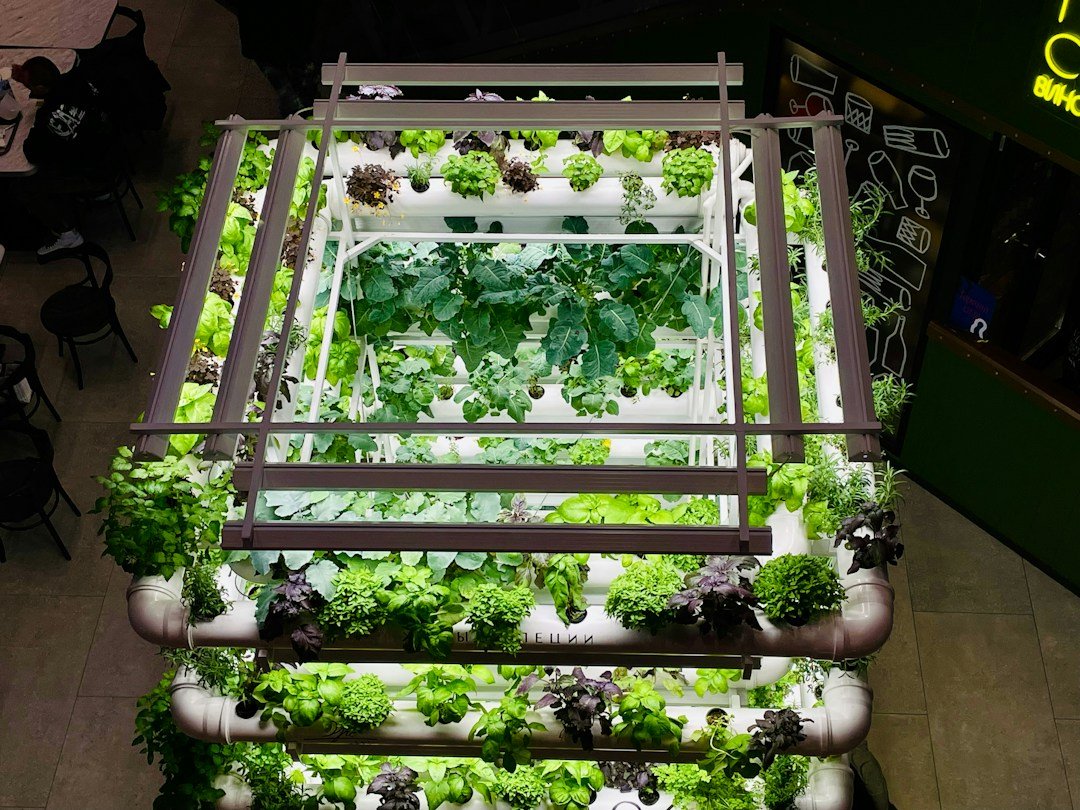
NFT systems require growing channels, while DWC systems use containers or rafts. Drip systems may use grow bags, buckets or other media-based containers. The number, material and design of these components can significantly affect the initial cost.
2. Reservoir, Pumps and Plumbing
A recirculating system needs a nutrient reservoir and suitable pumps, pipes, tubing, valves and fittings. The required pump capacity depends on the system design and flow requirements.
3. Nutrients and Growing Media
Nutrients are an ongoing operating expense rather than only a one-time purchase. Depending on the crop and system, you may also need cocopeat, rockwool, clay pebbles or another growing medium.
4. pH, EC and TDS Monitoring
Basic hydroponic management requires monitoring water and nutrient conditions. A starter setup may use affordable meters, while commercial operations may invest in more durable or automated monitoring equipment.
5. Structure and Environmental Protection
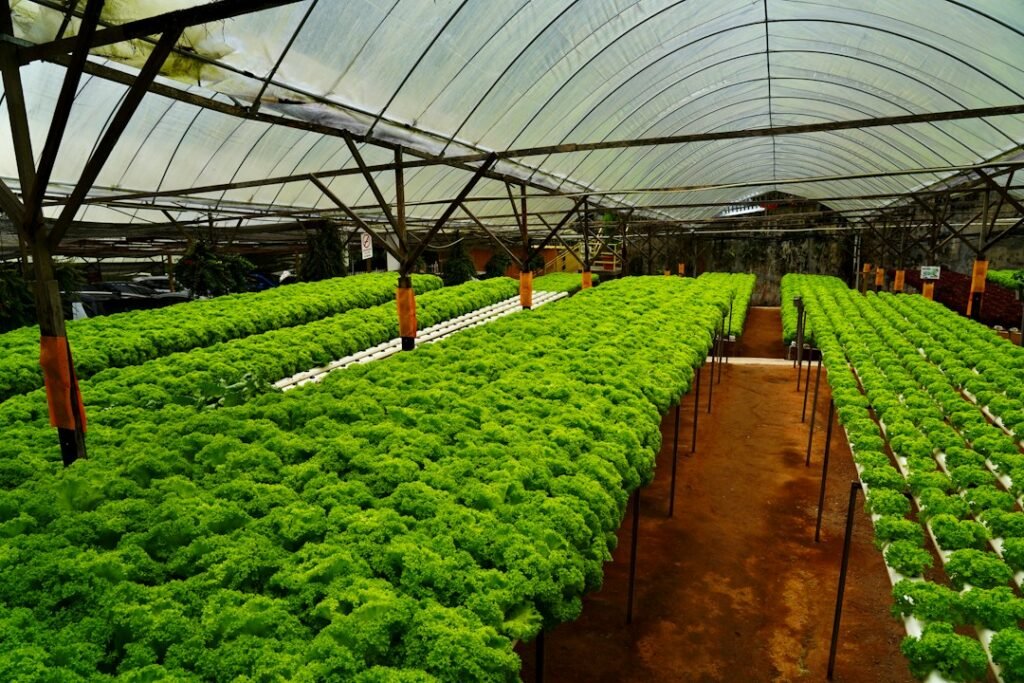
Outdoor and commercial systems may need shade netting, a greenhouse or polyhouse, ventilation and other environmental protection. This can become one of the largest parts of a commercial project budget.
6. Water Treatment
Water quality affects hydroponic management. Depending on the source water, filtration or RO treatment may be required. Test the source water before deciding what treatment equipment is necessary.
7. Automation and Electrical Setup
Timers, dosing equipment, sensors, controllers and electrical protection can increase the initial investment. Automation should be selected according to the scale and operational requirements rather than added simply because it is available.
Small Home Setup vs Commercial Setup
A home grower can start with a compact system and existing space, while a commercial project needs to budget for infrastructure, workflow, installation, labour and production capacity. Indian examples show that even small systems can differ substantially in cost depending on whether they are DIY, basic NFT/DWC or professionally installed.
How to Build a Hydroponic Budget
- Decide the crop and target number of plants.
- Choose the hydroponic system.
- Measure the available growing area.
- List the core equipment and infrastructure.
- Separate one-time setup costs from recurring costs.
- Keep a contingency amount for installation and unexpected requirements.
One-Time Costs vs Recurring Costs
One-time costs can include the structure, channels, reservoir, pumps, plumbing, meters and installation. Recurring costs can include nutrients, seeds, electricity, replacement parts, growing media and labour. Keeping these categories separate gives a more realistic picture of the actual cost of operating a hydroponic system.
Can You Start Hydroponics on a Small Budget?
Yes. A small setup can be built around a simple system and a limited number of plants. For example, published Indian guidance describes basic home systems in the low-thousands range, while larger NFT and commercial systems move into much higher investment levels. citeturn0search0turn0search4
What Should You Ask a Hydroponic System Supplier?
- What components are included in the quotation?
- What crop and plant capacity is the system designed for?
- Does the price include installation?
- Are pumps, plumbing, meters and tanks included?
- What is excluded from the quotation?
- What maintenance and replacement costs should be expected?
- Is training included?
Is the Cheapest Hydroponic System Always the Best Choice?
Not necessarily. A lower initial price may reflect fewer components, lower-grade materials or less infrastructure. Compare the system design, materials, plant capacity, service support and expected operating requirements rather than comparing only the headline price.
Aqua Greens Can Help You Plan the Right System
Aqua Greens can help evaluate your available space, crop requirements and production goals before selecting a suitable hydroponic system. The objective should be to build a system that matches the intended use and available budget.
FAQs
How much does a basic hydroponic system cost in India?
A basic home or DIY setup can start in the low thousands of rupees, while a more complete small home system can cost tens of thousands depending on the design and equipment.
How much does a commercial hydroponic farm cost?
Commercial costs vary widely. Protected structures, growing systems, water treatment, automation, electrical infrastructure and installation can take the investment into several lakhs or substantially more.
What is the biggest cost in a hydroponic farm?
For commercial projects, the structure and infrastructure can be major expenses. The exact balance depends on the farm size, environment, system and automation level.
Can I start hydroponics without a greenhouse?
Some small systems can be operated outdoors or in protected home spaces, but the suitability depends on crop, climate, sunlight, rain, pests and local conditions.
What’s Next?
How to Start Hydroponics at Home
Learn how to choose a suitable location, system, crops and basic equipment for starting hydroponics at home.
Next guide coming soon.