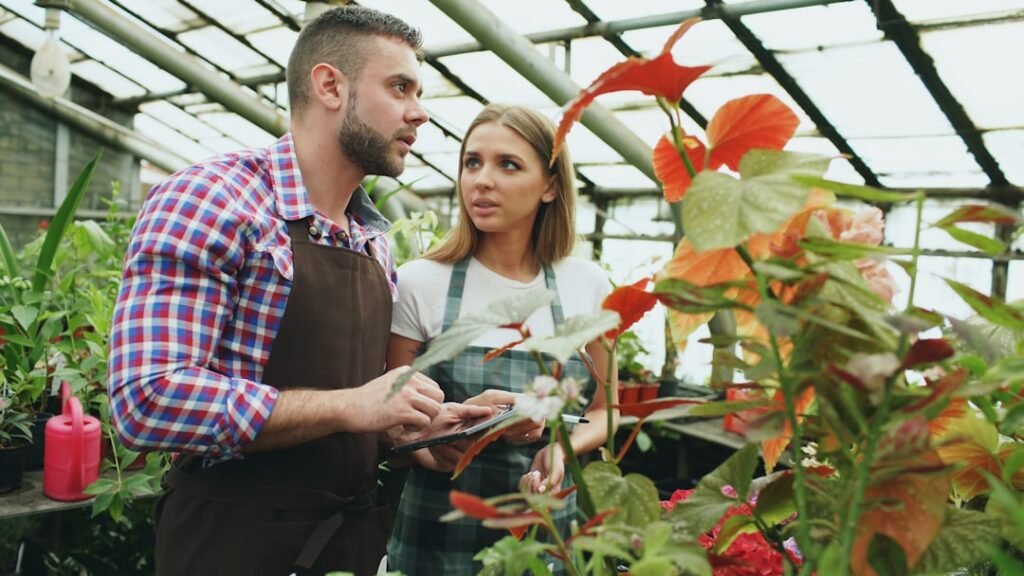
Hydroponic farming can be suitable for beginners, but it is not completely maintenance-free. Unlike traditional soil gardening, hydroponics gives the grower more control over water, nutrients and the root environment. That control can make growing efficient and predictable, but it also means that a few basic measurements and routines need to be understood.
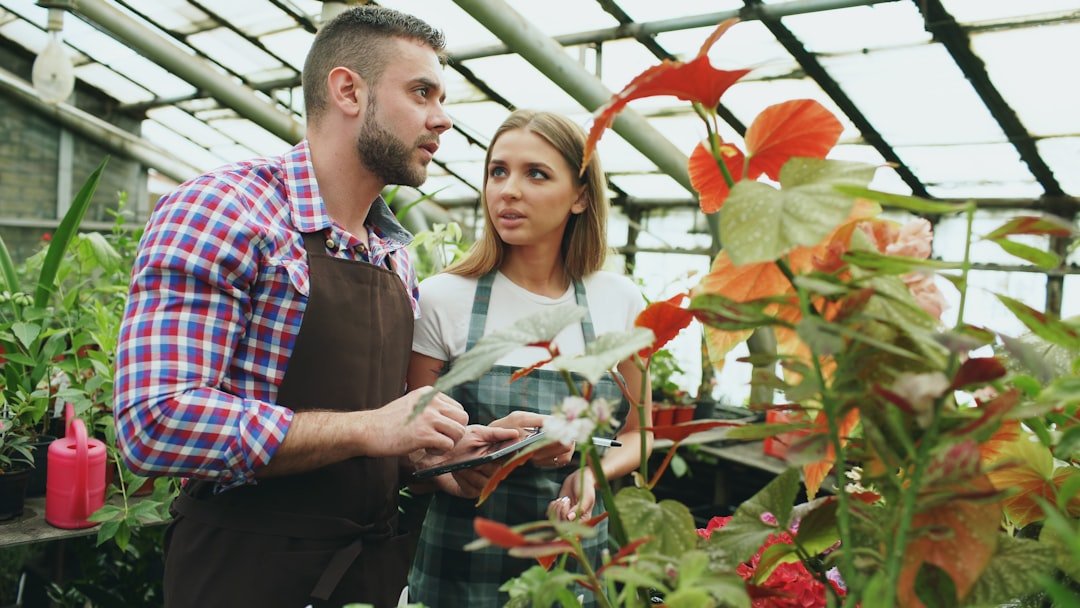
The good news is that beginners do not need to start with a large commercial farm or a complicated automated setup. A small, well-designed system with a suitable crop is enough to learn the fundamentals before investing more time and money.
What Makes Hydroponics Beginner-Friendly?
Hydroponics can be easier to learn when the system is simple and the crop is forgiving. Many beginner setups have a small number of plants, a manageable reservoir and straightforward nutrient delivery.
- Water and nutrients can be measured and adjusted rather than relying entirely on soil conditions.
- Small systems can fit on balconies, terraces, rooftops or other suitable spaces.
- Growth can be observed closely because the root-zone environment is easier to inspect.
- Once a routine is established, daily maintenance can be relatively quick.
What Can Make Hydroponics Difficult for Beginners?
The main challenge is that plants still depend on the grower maintaining the system correctly. Problems with water temperature, nutrient concentration, pH, oxygenation, pumps, leaks or insufficient light can affect plant growth.
Hydroponics therefore rewards consistency. A beginner who checks the system regularly and learns what normal plant growth looks like is in a much stronger position than someone who installs a system and ignores it for several days.
Which Hydroponic System Is Best for a Beginner?
There is no single best system for every beginner. The right choice depends on available space, crop, budget, electricity access and how much hands-on maintenance the grower wants.
Kratky
The Kratky method is a passive approach that can be useful for learning basic hydroponic concepts because it does not require a continuously running pump. It is particularly suited to small-scale experiments with appropriate crops and container sizes.
Deep Water Culture (DWC)
DWC is another accessible system for beginners. Plant roots are supported above a nutrient solution while an air pump and air stone provide oxygen. It introduces beginners to nutrient management and root-zone oxygenation without requiring a complex network of channels.
NFT
NFT can also be used by beginners, especially when they have access to a properly designed kit or guidance. However, it introduces additional considerations such as pump operation, channel slope, flow and power interruptions, so it is useful to understand the basics first.
What Do Beginners Need to Learn?
You do not need to become an agricultural scientist before starting hydroponics. A practical foundation is enough.
1. pH
pH describes how acidic or alkaline the nutrient solution is. Different crops have preferred ranges, and keeping pH within an appropriate range helps plants access nutrients effectively.
2. EC and TDS
EC measures the electrical conductivity of a nutrient solution and is commonly used to estimate its overall ionic strength. TDS meters provide an approximate dissolved-solids reading based on a conversion factor. Understanding these measurements helps prevent excessive or insufficient nutrient concentration.
3. Water Quality
The starting water matters. Tap water can contain dissolved minerals that influence nutrient management. Beginners should understand their source-water quality before mixing nutrients.
4. Light
Hydroponics does not replace the need for adequate light. Plants require sufficient intensity and duration of light for photosynthesis, whether they are grown outdoors, in a greenhouse or under artificial lighting.
5. Cleaning and Hygiene
Reservoirs, channels, containers and tools should be kept clean. Good hygiene helps reduce the conditions that can contribute to algae, biofilm and other growing problems.
How Much Time Does a Beginner Need?
A small hydroponic system does not necessarily require hours of work every day. The time requirement depends on the system, number of plants and level of automation. Beginners should expect regular checks rather than assuming the system can be left unattended.
A simple routine may include checking water level, observing plants and roots, measuring pH when required, checking nutrient strength, inspecting pumps or air systems, and looking for leaks or pests.
What Crops Should Beginners Start With?
Leafy greens and herbs are often practical starting points because many have relatively short growing cycles and can work well in common hydroponic systems.
- Lettuce
- Spinach
- Coriander
- Basil
- Other suitable leafy greens and herbs
Large fruiting crops such as tomatoes, cucumbers and strawberries can also be grown hydroponically, but they generally require more planning, support, light, nutrient management and space. They are better approached after understanding the basics.
Common Beginner Mistakes
- Starting with a system that is unnecessarily complicated.
- Adding nutrients without measuring or following the product instructions.
- Ignoring pH and EC after setting up the system.
- Choosing a crop without considering available light and temperature.
- Overcrowding the growing area.
- Failing to check pumps, air systems and water levels.
- Making several changes at once, making it difficult to identify what caused a problem.
- Expecting hydroponics to be completely maintenance-free.
Can a Beginner Start Hydroponics at Home?
Yes. Home hydroponics can be a practical way to learn before moving into larger systems. A small setup allows beginners to understand plant behaviour, nutrient management, water quality and maintenance without the complexity of a commercial installation.
Start with a manageable number of plants, choose a suitable crop, keep records and make changes gradually. The goal of the first system should be learning as well as harvesting.
When Should You Consider a Larger System?
Once you can consistently manage a small system, you can evaluate whether a larger setup makes sense. At that stage, factors such as crop demand, available space, water supply, electrical reliability, climate control, labour, market access and operating costs become increasingly important.
Commercial hydroponic farming is a different level of planning from a small home system. Scaling up should be based on a clear production and business plan rather than simply increasing the number of plants.
Frequently Asked Questions
Is hydroponics difficult to learn?
The basic concepts are manageable for most motivated beginners. The main learning curve is developing a consistent routine for water, nutrients, pH, EC, light and system maintenance.
Can I start hydroponics without previous farming experience?
Yes. Previous farming experience can help, but it is not a requirement. Beginners can start with a small system and learn the relevant plant and water-management principles.
Do hydroponic systems need electricity?
Some systems require pumps or air pumps and therefore depend on electricity, while passive methods such as Kratky can operate without continuous pumping. The electrical requirements depend on the system design.
How much money should a beginner spend?
There is no universal starting budget. Cost depends on system type, number of plants, materials, meters, lighting and automation. A sensible approach is to start at a scale that you can maintain and understand rather than buying equipment you do not yet need.
Conclusion
Hydroponic farming can be a good learning path for beginners when expectations are realistic. It is not simply a matter of adding plants to water; successful growing depends on understanding the root environment and maintaining it consistently.
Start small, choose a suitable crop and simple system, learn pH and nutrient management, observe your plants and build your routine before scaling up. With those fundamentals in place, hydroponics becomes much easier to understand and manage.
Start Hydroponics with Aqua Greens
At Aqua Greens, we help growers understand hydroponic systems and choose setups based on their available space, crop requirements and growing goals.
Want to start hydroponics? Explore the right system for your home, terrace or growing space with Aqua Greens.
What’s Next?
How Much Space Do You Need for Hydroponics?
Learn how to estimate the space required for a hydroponic setup, including plant spacing, walkways, equipment, vertical systems and practical layout considerations.
Next guide coming soon.