Hydroponics and traditional soil-based farming both aim to produce healthy crops, but they use very different growing environments. One relies on carefully managed nutrient solution and soilless root systems, while the other depends on soil as the main growing medium and nutrient environment.
Neither approach is suitable for every crop, location or grower. The practical choice depends on factors such as available space, water, soil conditions, climate, infrastructure, crop type, labour and investment.
What Is Traditional Farming?
Traditional farming generally grows plants in soil, where roots interact with minerals, organic matter, water, air and microorganisms. Farmers may improve soil fertility using compost, manure, mineral fertilisers and other soil-management practices.
Soil also provides physical support for the plant and acts as a reservoir for water and nutrients. Farm performance depends on soil quality, rainfall or irrigation, climate, crop selection and management practices.
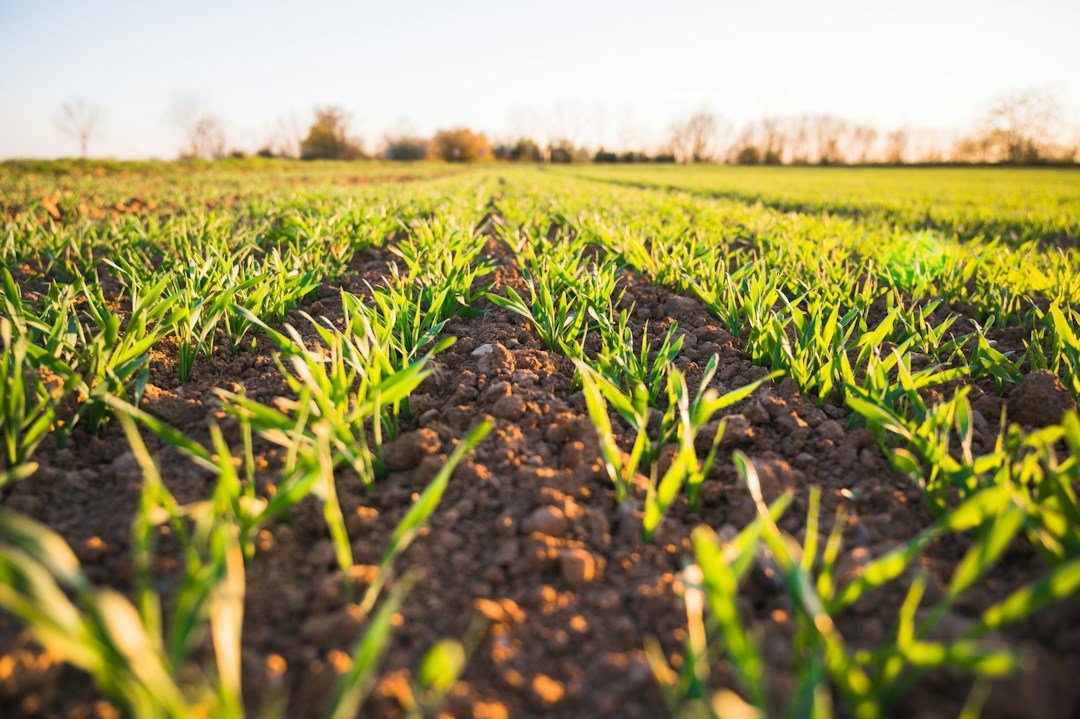
Traditional soil-based farming — photo by Jan Kopřiva via Unsplash.
What Is Hydroponic Farming?
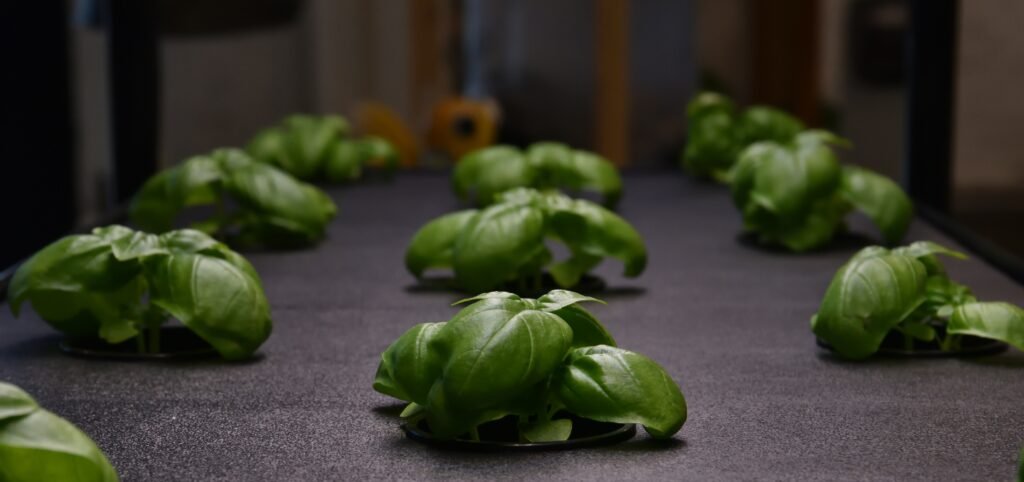
Hydroponic farming grows plants without traditional soil. Instead, the root zone receives water and dissolved nutrients through a controlled system. Roots may grow directly in nutrient solution or in an inert growing medium such as coco coir or clay pebbles.
Hydroponic systems can be designed as NFT, DWC, drip, ebb and flow, Kratky, aeroponic or vertical setups. Each system has different equipment and management requirements.
Hydroponics vs Soil Farming: Key Differences
| Factor | Hydroponics | Traditional Soil Farming |
|---|---|---|
| Growing medium | Nutrient solution and/or inert media | Soil |
| Nutrient control | Directly managed through nutrient solution | Influenced by soil fertility and fertilisation |
| Water management | Can recirculate water in many systems | Usually supplied through rainfall or irrigation |
| Space use | Can be highly space-efficient, especially in controlled or vertical systems | Usually requires soil growing area |
| Root environment | Can be closely controlled for water, nutrients and oxygen | Depends strongly on soil structure, moisture and drainage |
| Infrastructure | Requires system components such as channels, reservoirs, pumps or irrigation equipment depending on design | Requires land preparation and irrigation or other field infrastructure as needed |
| Monitoring | Often includes pH, EC, water level and system checks | Often includes soil fertility, moisture, pests and crop-condition checks |
| Crop suitability | Many leafy greens, herbs and selected fruiting crops | Very broad crop range depending on soil and climate |
Water Use
Water use varies significantly with system design, climate, crop and management. Recirculating hydroponic systems can reuse nutrient solution instead of allowing irrigation water to move through soil and drain away. This can make water management more controlled.
Traditional farming can also use water efficiently when good irrigation methods, soil management and scheduling are used. Therefore, the comparison should focus on the actual system and growing conditions rather than assuming one method always uses less water.
Space Requirements
Hydroponics can be useful where growing space is limited because systems can be arranged in compact rows, stacked layouts or vertical towers. This can increase the number of growing sites within a given floor area.
Soil farming generally depends on available cultivable land. However, soil systems can also be highly productive when land, crop spacing and agricultural practices are well matched to the crop.
Nutrient Management
In hydroponics, growers can directly control the concentration and composition of nutrients supplied to the root zone. pH and EC are commonly monitored because changes can affect nutrient availability and plant performance.
In soil farming, nutrient availability depends on soil properties, organic matter, microbial activity, pH, moisture and fertiliser management. Soil testing can help identify nutrient requirements and guide fertilisation.
Maintenance and Daily Management
Hydroponic systems require attention to pumps, pipes, channels, reservoirs, nutrient solution, pH, EC, water temperature and sanitation depending on the system. A technical fault can affect plants quickly in some active systems.
Soil farming has a different maintenance profile, including irrigation, weed management, soil fertility, pest and disease management and field preparation. The workload depends heavily on crop and farm scale.
Cost Considerations
Hydroponics usually requires more specialised infrastructure at the beginning, such as growing channels or containers, reservoirs, pumps, irrigation components, monitoring meters and support structures. Operating costs can include electricity, nutrients, replacement parts and maintenance.
Soil farming also involves costs for land, preparation, irrigation, seeds or planting material, fertilisers, crop protection, labour and machinery where applicable. The total economics of either method depend on scale, crop, location, yield, market price and operating efficiency.
Which Crops Work Well in Hydroponics?
Leafy greens and herbs are common hydroponic crops because they can fit compact systems and have relatively short production cycles. Lettuce, spinach, basil and coriander are examples.
Tomatoes, cucumbers, capsicum and strawberries can also be grown hydroponically, but they generally require more structural support, root volume and irrigation management than leafy greens.
Which Method Is Better for Beginners?
For someone learning hydroponics, a small controlled system can make it easier to understand pH, EC, nutrients, root health and water management. Soil gardening can also be a practical starting point because the infrastructure is often simpler.
The better starting point depends on what you want to grow, the space available, your budget and how much technical monitoring you are comfortable doing.
Can Hydroponics Replace Traditional Farming?
Hydroponics is not a universal replacement for soil farming. It is another production method with particular advantages and limitations. It can be especially relevant where land is limited, controlled environments are available or consistent production of selected crops is the goal.
Traditional farming remains suitable for a very wide range of crops and production environments, particularly where productive soil and agricultural land are available.
How Should You Compare the Two?
- Start with the crop you want to grow.
- Assess available land or growing space.
- Check water quality and availability.
- Consider electricity and infrastructure requirements.
- Estimate setup and recurring costs.
- Consider how much monitoring and maintenance you can provide.
- Look at local climate, market demand and production goals.
Aqua Greens: Choosing the Right Growing Approach
At Aqua Greens, the growing approach should start with the project requirements rather than choosing a system simply because it is modern. Crop type, available space, water quality, production scale, budget and management capability all influence the practical design.
Frequently Asked Questions
Is hydroponics better than soil farming?
They solve different growing requirements. Hydroponics offers greater direct control of the root-zone environment, while soil farming works across a very broad range of crops and conditions. The appropriate method depends on the project.
Does hydroponics always use less water?
Not automatically. Recirculating systems can reduce water losses, but actual water use depends on system design, climate, crop and management.
Is hydroponic farming more expensive?
Hydroponics can require higher initial infrastructure investment, while both methods have ongoing operating costs. A meaningful comparison should consider the complete setup, crop cycle, yield and operating expenses.
Can all crops be grown hydroponically?
No. Many crops can be grown hydroponically, but crop size, root requirements, structural support, pollination and production economics can make some crops less practical than others.
Conclusion
Hydroponics and traditional farming are different approaches to crop production, not simply competing versions of the same system. Hydroponics gives growers more direct control over water and nutrient delivery and can make efficient use of limited space, while soil farming benefits from the natural functions of the soil environment and supports a very broad range of crops.
The right choice comes down to the crop, space, water, climate, infrastructure, budget and management goals. Understanding those differences helps you choose a growing method based on practical requirements rather than assumptions.
What’s Next?
Is Hydroponic Farming Suitable for Beginners?
Learn what beginners should understand before starting hydroponics, including system choice, monitoring, maintenance, crop selection and common expectations.
Next guide coming soon.